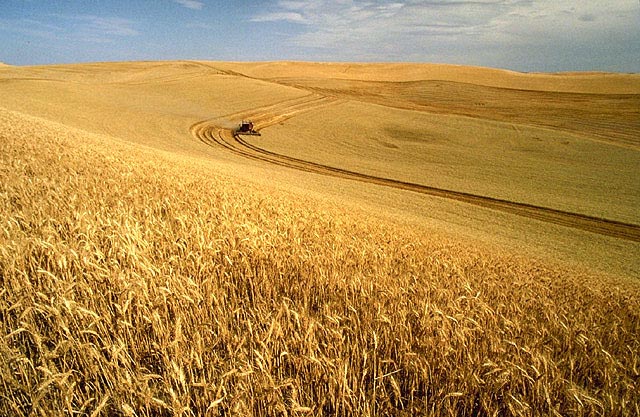
The world has built a buffer against food shocks
JPMorgan warns global food inflation could rise from 2.8% in early 2026 to 5% in early 2027, as conflict and disruption around the Strait of Hormuz threaten harvests and supplies of fuel and fertiliser.
Yet the world has quietly built several lines of defence. Near record grain stocks can absorb poor harvests, while drought-tolerant seeds, short-duration-to-grow rice, better forecasts and precision irrigation help farmers keep producing, even through erratic weather. A wider group of exporting countries also spreads the risk.
The evidence is substantial. Farm production has outpaced population and consumption growth since the 1980s. India holds rice stocks exceeding a full year of global exports, while Brazil’s soybean exports have risen more than thirteenfold since 1997/98, broadening global supply.
This is a buffer, not a guarantee. Stocks are concentrated in a few countries, while war is still disrupting fertiliser and fuel. Resilience now depends on keeping food trade open, diversifying fertiliser supplies and expanding proven tools to poorer farmers before prices rise.
React to this story
Original reporting from Reuters — read source