Trauma therapy shows promise for intensive-care survivors
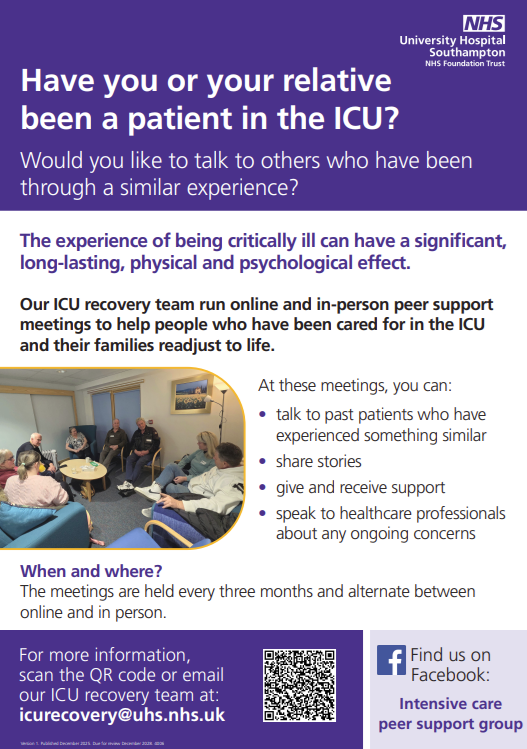
Around one in four UK intensive-care survivors experiences significant post-traumatic stress symptoms, which can persist for years. University Hospital Southampton researchers tested whether Eye Movement Desensitisation and Reprocessing therapy could become part of recovery support for this overlooked group.
The EMERALD study engaged 160 former intensive-care patients, with 40 joining its randomised trial. Those offered EMDR alongside usual care showed greater symptom improvements than those receiving usual care alone. Three-quarters of participants who started therapy completed the course, and no treatment-related serious adverse events were reported.
The study shows NHS teams can identify affected survivors, offer specialist trauma support and keep patients engaged. That matters because recovery from critical illness involves mental as well as physical health, while access to EMDR currently varies across Britain.
However, this was a small early study and does not establish that EMDR should become routine post-intensive-care treatment. Researchers are planning a larger national trial to test whether it reliably improves symptoms and helps patients rebuild their lives.
React to this story
Original reporting from University Hospital Southampton NHS Foundation Trust — read source
/filters:format(webp)/filters:no_upscale()/prod01/cdn/media/stirling/news/news-centre/2026/sep-26/Glenochil-1200X630.jpg)
