Small PTSD trial offers hope for veterans failed by treatments
A clinical trial has reported encouraging results from psilocybin-assisted therapy for veterans with severe, treatment-resistant post-traumatic stress disorder.
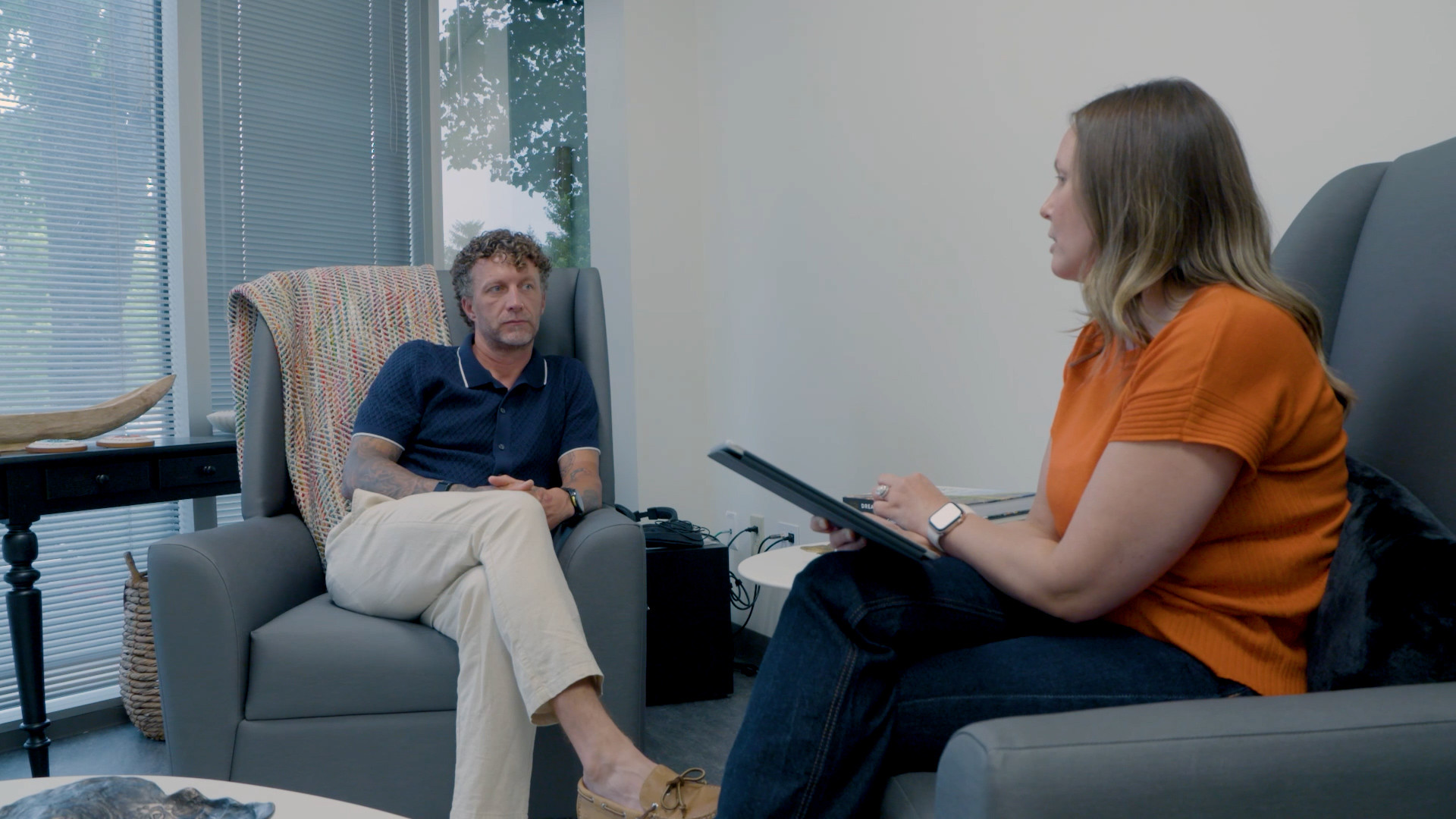
Twelve veterans received preparatory therapy, two supervised doses of synthetic psilocybin and further therapy afterwards. One month after the second session, clinician-rated symptoms had fallen substantially. Nine participants met the study’s definition of treatment response and remission.
No serious adverse events occurred, suicidal thoughts or behaviour did not increase, and heart rate and blood pressure remained within safe limits during dosing. Reported non-serious effects included headaches, anxiety and dizziness.
The study matters because veterans often experience more severe and persistent PTSD, while some receive little relief from established therapies. Combining careful psychological support with a medicine may offer another route for people whose symptoms have resisted treatment.
However, this was an open-label pilot with only 12 participants, no placebo group and one month of follow-up. Expectations and intensive therapeutic attention may have influenced results, and longer-term safety is unknown. Psilocybin is not a treatment people should attempt without medical supervision. Larger randomised trials are now needed to test whether the benefits hold.
React to this story
Original reporting from Communications Medicine — read source
/filters:format(webp)/filters:no_upscale()/prod01/cdn/media/stirling/news/news-centre/2026/sep-26/Glenochil-1200X630.jpg)
