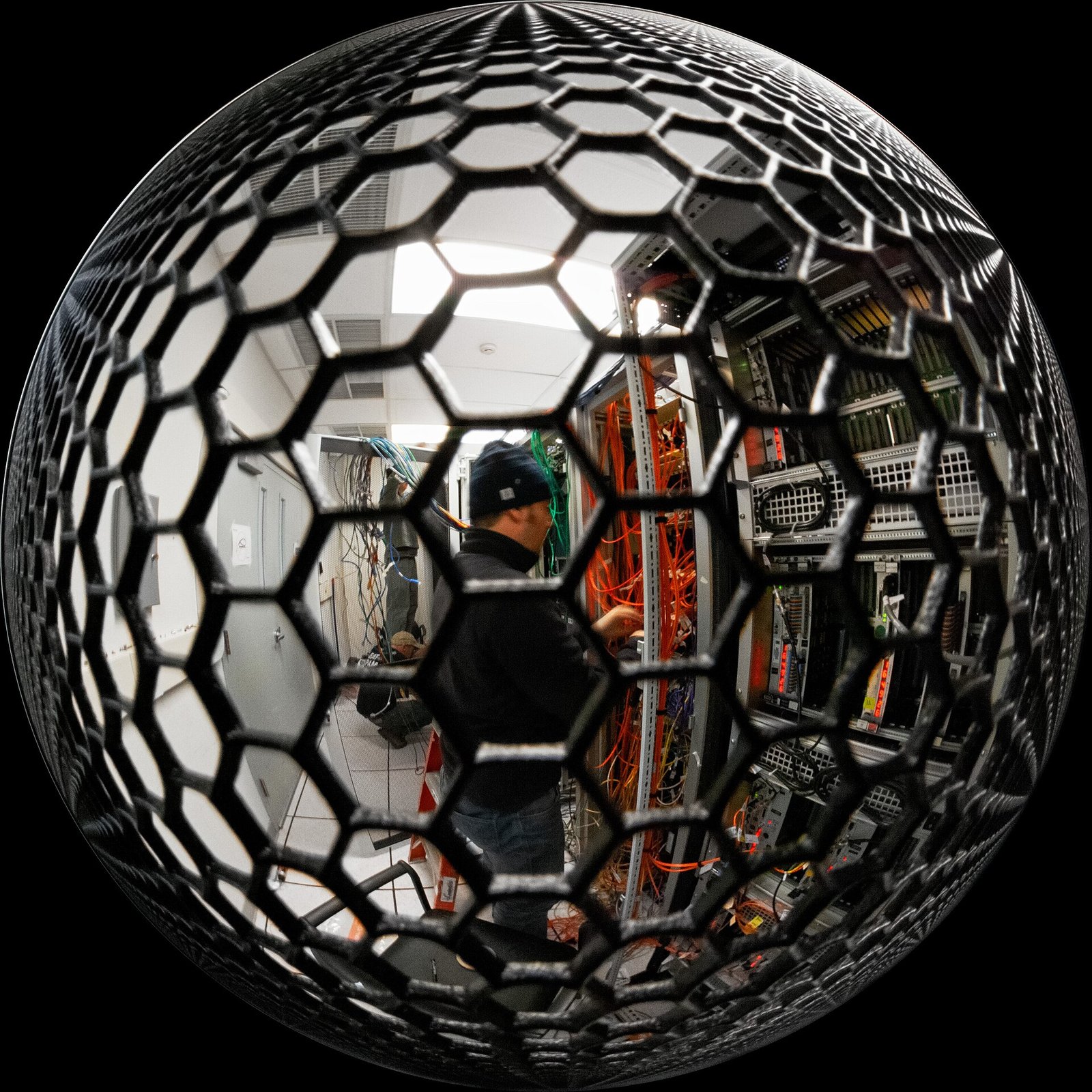
LHCb finds evidence of a one-in-ten-billion decay
A Cambridge-led team working on CERN’s LHCb experiment has found evidence of a beauty-particle decay expected only once in every ten billion decays. It is the first single experiment to reach the accepted evidence threshold for this process.
The team studied a particle called B<sub>d</sub> decaying into two muons. Data gathered in 2024 and 2025 produced a three-standard-deviation signal; combining it with earlier runs raised the result to 3.2. The measured rate agrees with the Standard Model, narrowing the space where undiscovered particles might hide.
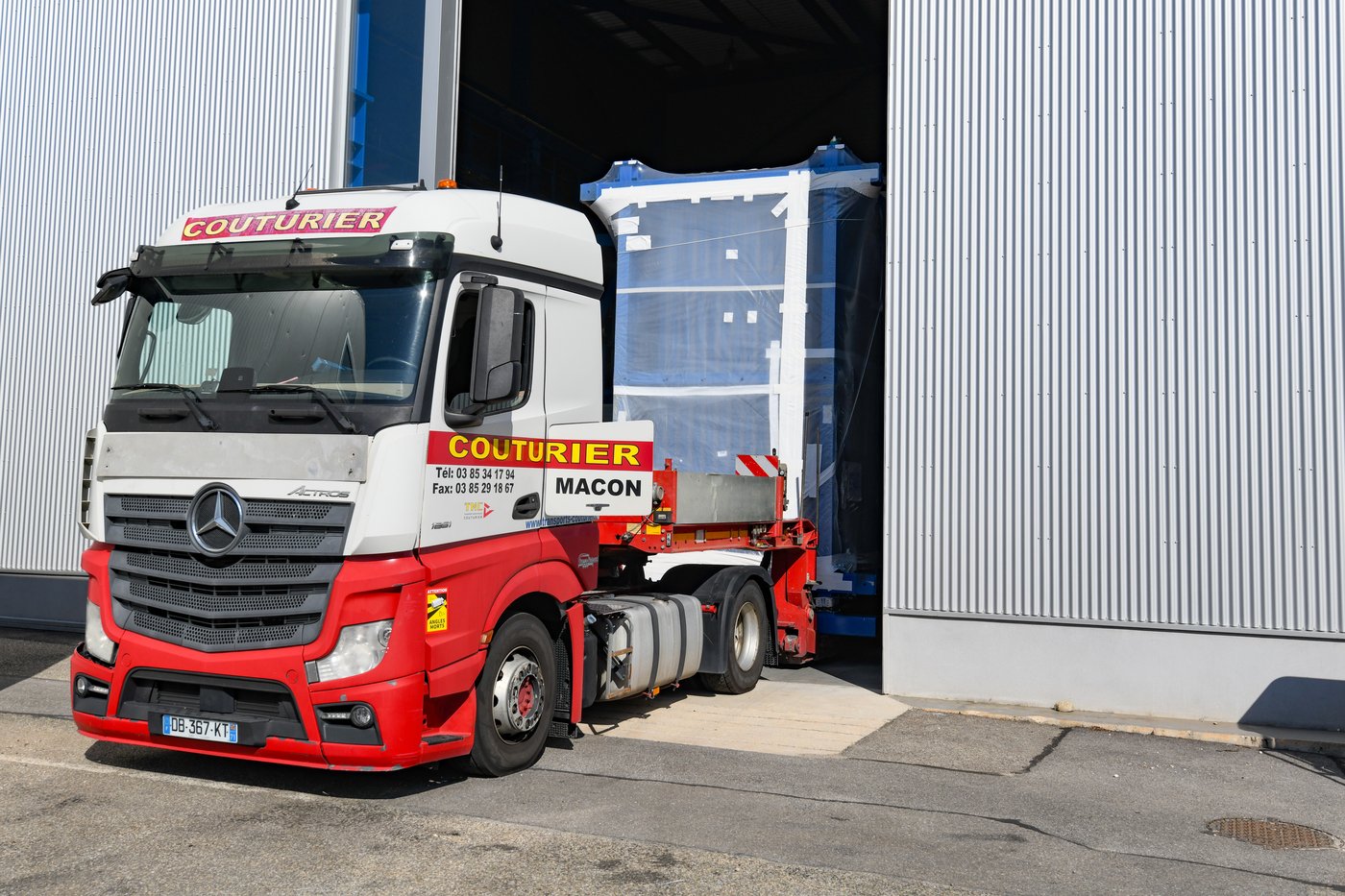
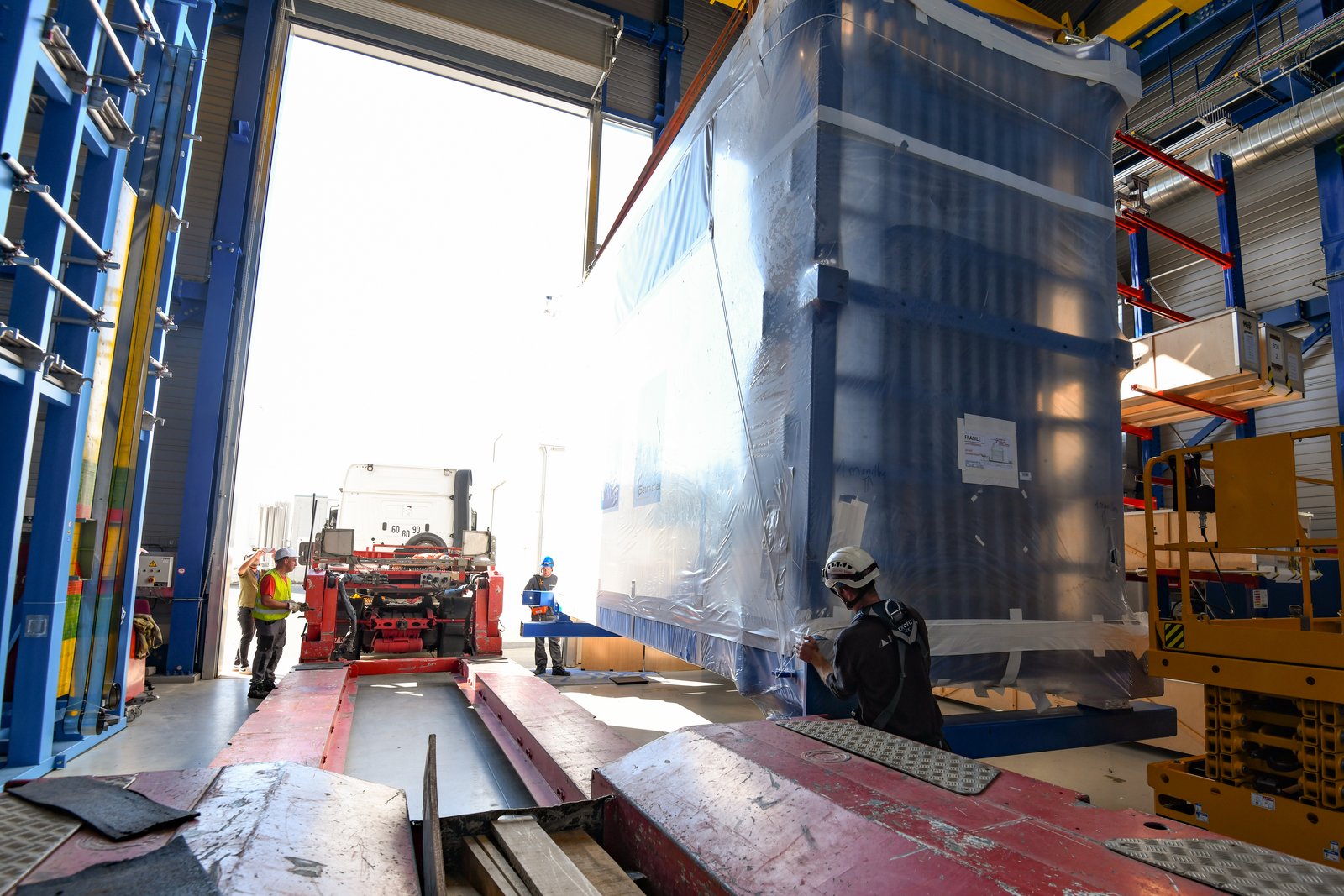
A 2024 detector upgrade increased data collection fivefold, while improved particle identification and machine-learning methods helped separate the rare signal from overwhelming background activity. The analysis involved about 20 scientists from five European countries.
This is evidence rather than a confirmed observation: five standard deviations are still required, and Cambridge says the result has not yet been peer-reviewed. Even with those limits, a four-decade search has crossed a meaningful threshold, giving future LHCb upgrades a clearer route towards testing physics beyond today’s direct reach.
Sources
Believe in me?
Help keep solutions journalism going.
 Buy me a coffee
React to this story
Keep the useful discoveries coming.
Get stories around your interests, with links to the evidence and context, in a free email on some Fridays.
See an example and sign up