How two postholes near Stonehenge helped archaeologists test a solstice sightline
Two pits about 120 metres apart near Bulford in Wiltshire may once have held posts that people used to watch the solstice sun. Archaeologists date the postholes to around 3000 BC, centuries before the large stones went up at nearby Stonehenge.
A line through the centres of the pits misses the solstice direction by about one degree. In their report for the Prehistoric Society, the researchers describe how someone looking along the left edges of the two posts could instead have seen the sun line up.
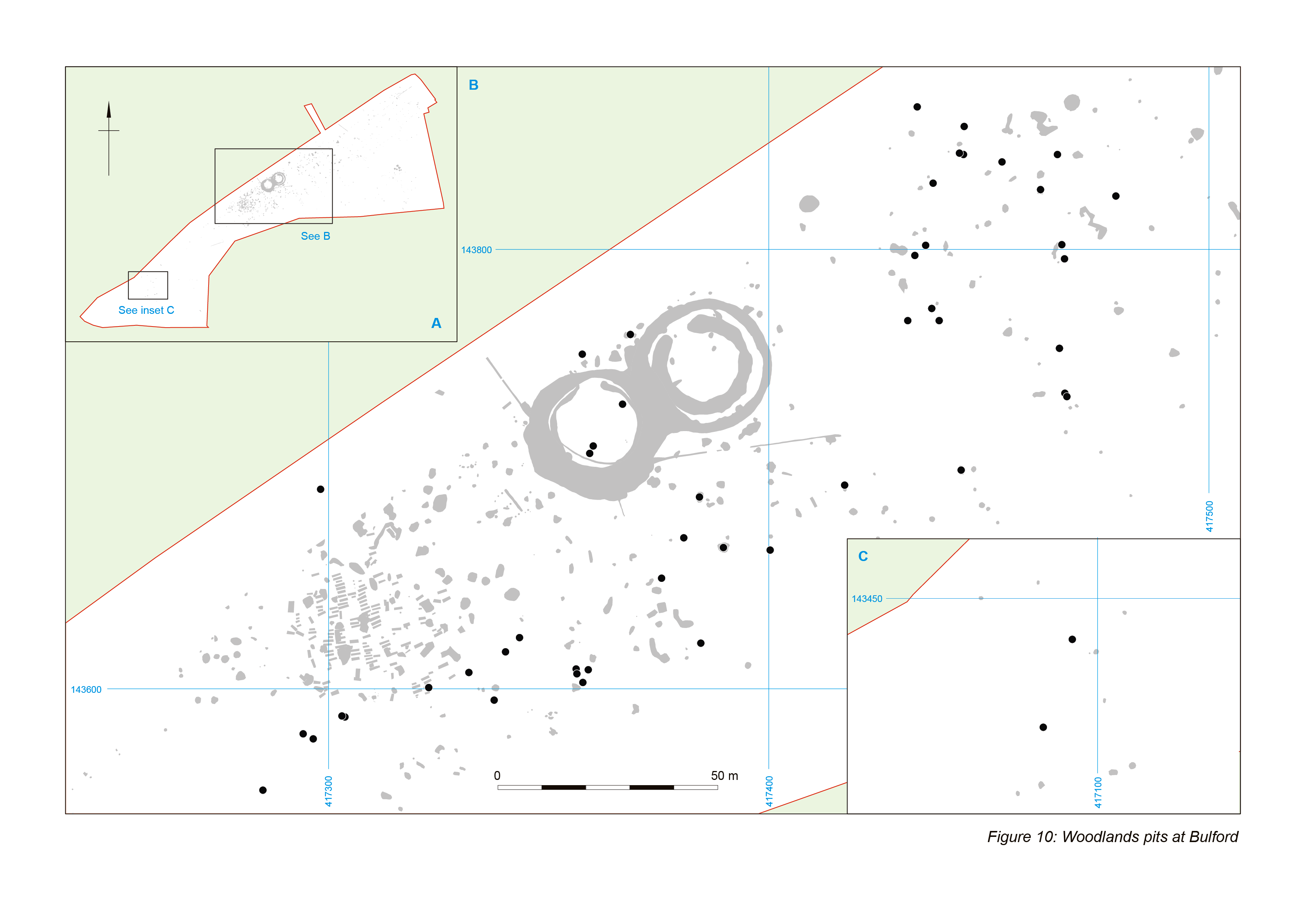
Wessex Archaeology told Gilbert that specialists tested three possible post widths, from 10 to 50 centimetres, and viewing distances from one to 50 metres. Depending on those assumptions, their estimates for a chance alignment ranged from 0.32% to 5%. The calculation leaves the builders’ intentions open.
At Stonehenge, English Heritage explains, the stones frame the midsummer sunrise and midwinter sunset. The Bulford pits give archaeologists a way to investigate how much earlier people in the area might have marked those turning points with timber.
Sources
- Wessex Archaeology on the Bulford excavation and its reply to Gilbert on 28 October.
- The team’s analysis in PAST 113, pages 2–5.
- English Heritage on the Stonehenge alignment.
- Good News Network’s original report.
Believe in me?
Help keep solutions journalism going.
 Buy me a coffee
React to this story
Keep the useful discoveries coming.
Get stories around your interests, with links to the evidence and context, in a free email on some Fridays.
See an example and sign up