AI skin checks could give specialists more time for patients
Checking photographs of suspicious skin marks could give NHS specialists more time for people who need treatment. A study of 8,391 patients at two UK hospitals found that AI handled some apparently benign cases without a clinician reviewing them.
Presented at EADV Congress 2026, the study followed a pathway using ordinary and magnified smartphone images. Higher-risk cases went to dermatologists. Researchers estimated 2,851 hours saved over 16 months: capacity equivalent to 8,500 appointments, rather than appointments demonstrably delivered.

The limits matter. Wider safety monitoring found six missed cancers, including one early melanoma, although no adverse outcomes were identified during available follow-up. The research had industry funding. Lead researcher Lucy Thomas advises AI company Skin Analytics.
In a written response to Gilbert on 15 October, study lead Dr Lucy Thomas explained the safety checks: reviewing returning patients, auditing images and equipment, comparing outcomes with laboratory findings or dermatologist assessments where possible, and investigating every missed cancer. A follow-up text service also checks for later diagnoses. Discharged patients need clear advice about when to seek another assessment. These are safeguards around the AI, rather than proof that it cannot miss cancer.
Separately, NICE permits the skin-checking AI DERM while more evidence is gathered, requiring professional review for people with black or brown skin and regular accuracy checks.
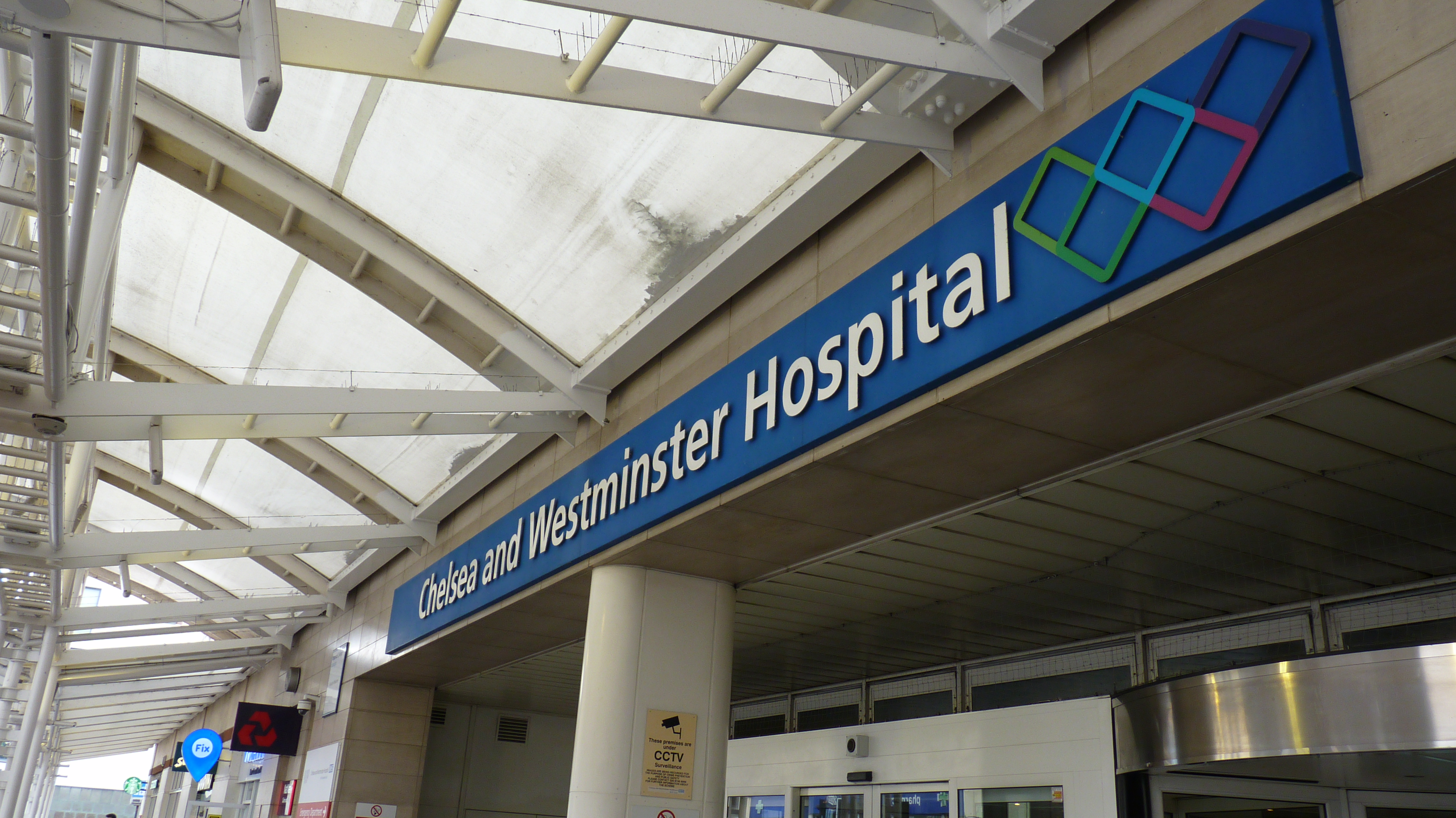
Thomas, at Chelsea and Westminster Hospital, argues that time saved could support patients needing specialist treatment. With continued monitoring, that is a practical benefit worth testing further.
Sources
- EADV Congress 2026 — study findings
- NICE — recommendations and safeguards
- Dr Lucy Thomas, Chelsea and Westminster Hospital — written response supplied through the Trust’s communications team, 15 October 2026
React to this story
Keep the useful discoveries coming.
Get stories around your interests, with links to the evidence and context, in a free email on some Fridays.
See an example and sign up