England plans to nearly triple organic farmland by 2036
How do we grow enough food while caring for the land that feeds us?
England’s new Organic Action Plan aims to increase organic farming from 3.4% of agricultural land to 10% by 2036.
Organic farms use crop rotations and natural fertility to build healthier soils, while avoiding most synthetic pesticides. A review summarised in the government’s plan found strong evidence of benefits for farmland wildlife, soil health and resilience to changing weather.
The plan combines practical advice for farmers switching to organic with stronger supply chains and opportunities to supply schools and hospitals. Reliable buyers could give farmers more confidence to invest.
There is already an example in Bury: the plan reports that all 56 council schools achieved a catering award requiring at least 25% of food spending to be organic, while the programme also saved money.
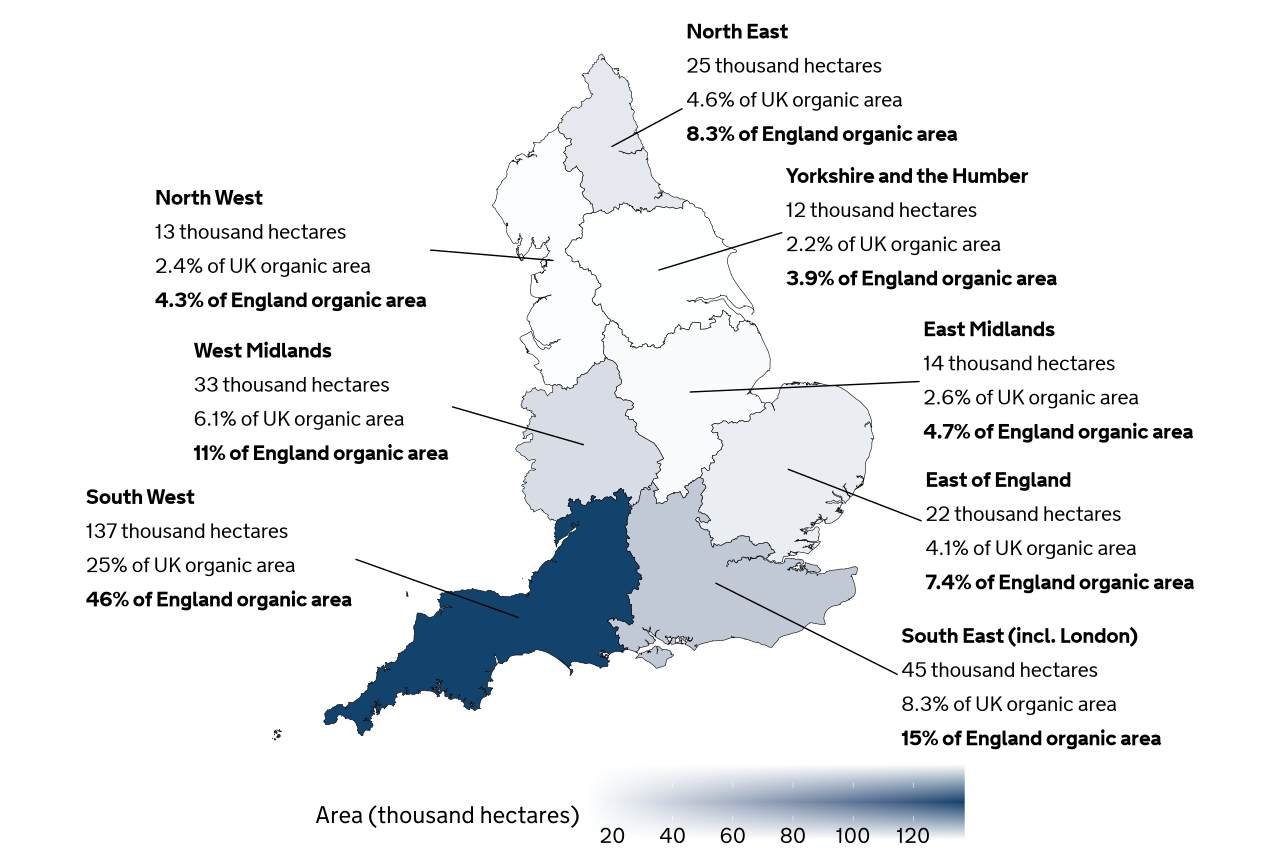
Funding remains a sticking point. Farmers quoted by the Guardian want dependable support to make the transition. The target is an ambition, not an achieved result.
Bury offers an encouraging lesson: everyday school meals can help create a market for nature-friendly farming.
Sources
React to this story
Keep the useful discoveries coming.
Get stories around your interests, with links to the evidence and context, in a free email on some Fridays.
See an example and sign up